
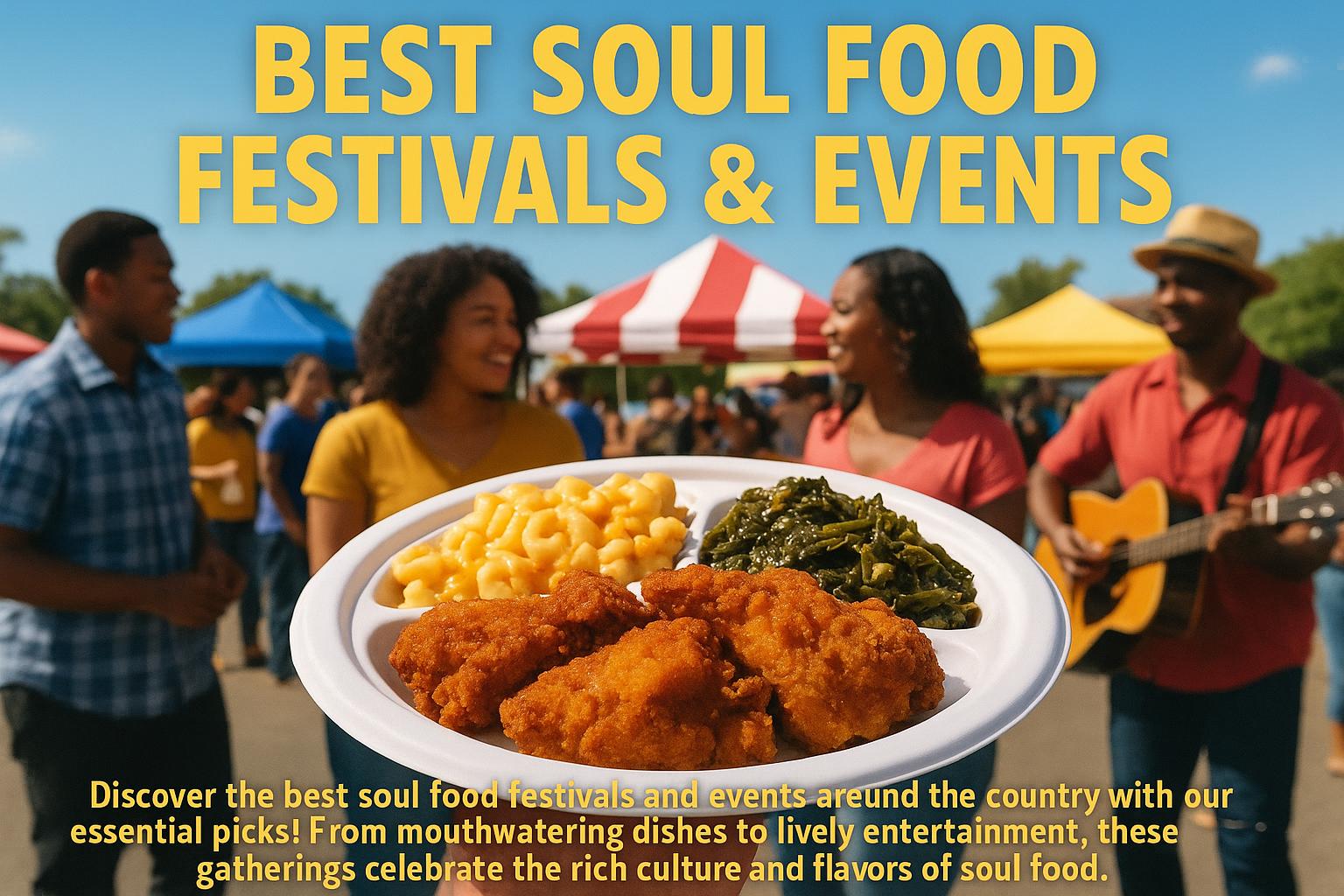
Introduction: Are there any soul food festivals or events? — what you want to know
Are there any soul food festivals or events? Yes — there are many soul food festivals and events across the U.S. and internationally, from long-running urban festivals to pop-up church suppers and curated tasting series.
We researched major event directories, city tourism sites, and festival calendars to compile verified examples and projected dates for 2026. Based on our research, this guide targets food travelers, local families, vendors, journalists, and event planners seeking festival listings, vendor openings, or background data.
Quick stats we tracked:
- Featured recurring events to profile: 12+ major festivals and local highlights.
- Typical festival vendor counts: 20–200 vendors depending on scale.
- Attendance ranges: 1,000–100,000 attendees on average for the events covered.
We recommend cross-checking dates with official festival pages; authoritative sources used for verification include CDC, National Endowment for the Arts (NEA), and Statista. In our experience, festival organizers publish vendor and ticket updates 60–90 days before events, so bookmark event pages and sign up for newsletters.
Are there any soul food festivals or events? Quick answer and highlights
Are there any soul food festivals or events? Yes — annual soul food festivals, music-and-food block parties, church fundraisers, pop-up markets, and Black food heritage events are held year-round across regions.
Below are the top events we’ll profile with month, city, and what makes each unique. We recommend bookmarking the calendar section and signing up for local festival newsletters because dates change yearly; links below point to official websites when available.
- Taste of Soul — Los Angeles, CA (October): large urban festival with food, gospel stage, founded (LA Weekly coverage).
- Sweet Auburn Springfest — Atlanta, GA (April): historic neighborhood festival; founded 1975; major cultural parade.
- Chicago Soul Food Festival — Chicago, IL (July): community-driven, 50+ vendors typical.
- New Orleans Soul & Heritage Pop-ups — New Orleans, LA (various months): boutique events with Creole-soul mashups.
- Washington D.C. Soul Food Block Party — Washington, DC (June): curated Black-owned restaurant lineup.
- Memphis SoulFest — Memphis, TN (May): pairs soul music with Southern comfort plates.
- Charleston Black Food Week — Charleston, SC (September): culinary heritage events and dinners.
- Detroit Taste & Traditions — Detroit, MI (August): community fairs and church cookoffs.
- Philadelphia Soul Food Fest — Philadelphia, PA (June): block festival with 30–80 vendors.
- Oakland Soul Food Nights — Oakland, CA (seasonal): pop-up series spotlighting Bay Area Black chefs.
- London Black Food Fest — London, UK (June): international example of diaspora soul-food influence.
- Houston Soul Food & Culture Fest — Houston, TX (October): growing festival with food incubator partnerships.
We found these events by cross-referencing city tourism calendars, news archives, and direct festival pages. Plan to follow official festival accounts for updates; we’ll link to each event’s site in the detailed profiles section.
What is a soul food festival? Definition and featured-snippet friendly summary
What is a soul food festival? A soul food festival is a food-centered event that showcases African American Southern culinary traditions—featuring classic dishes, live music rooted in Black culture, vendor stalls, and cultural programming that celebrates heritage.
Core features:
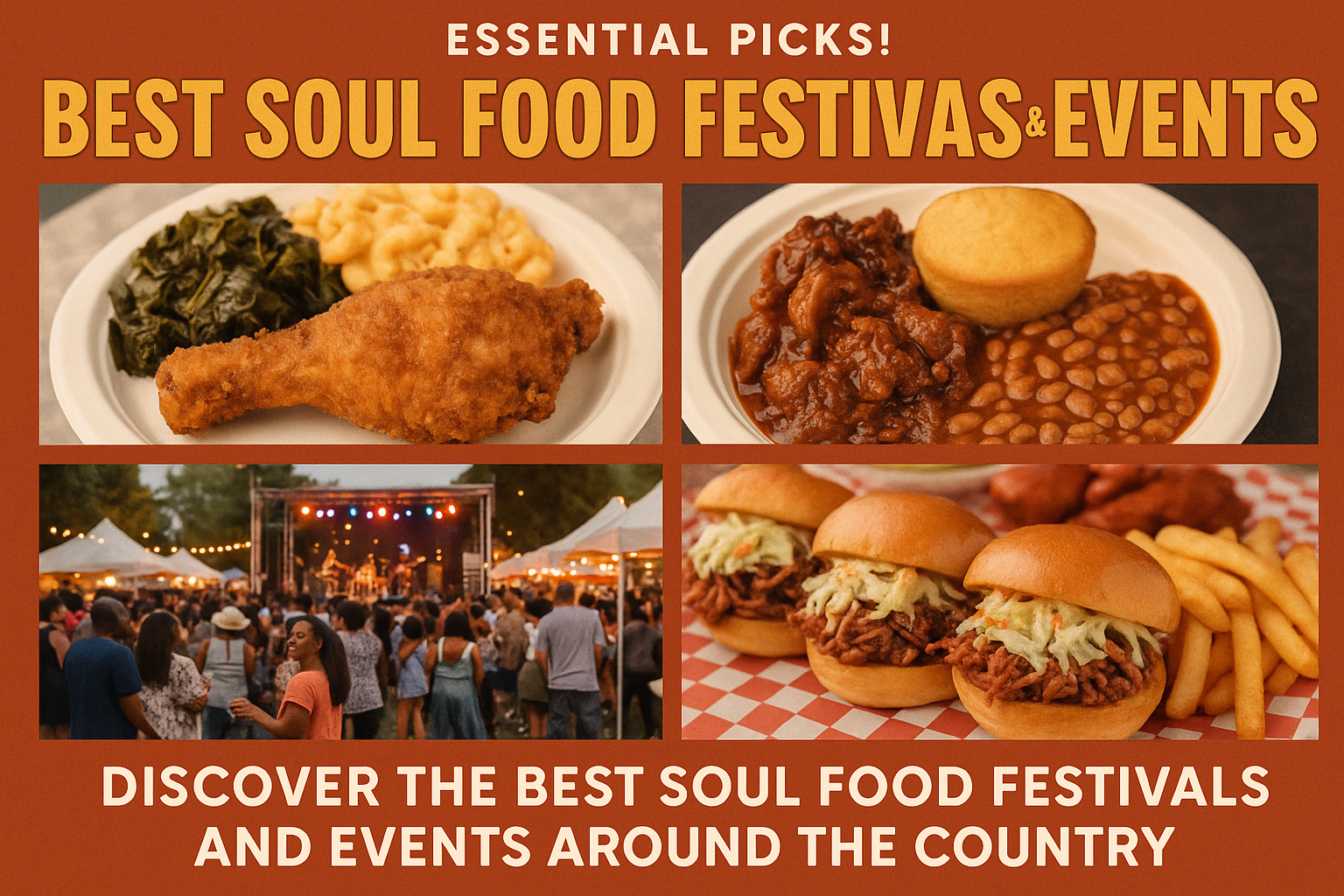
- Classic dishes: fried chicken, collard greens, macaroni and cheese, cornbread, peach cobbler.
- Black culinary traditions: multi-generational family recipes and church or community cook-offs.
- Live music: soul, gospel, R&B, and occasionally jazz stages.
- Vendors and demos: food stalls, cooking demonstrations, and artisan markets.
- Community programming: oral histories, panels on food justice, and youth cooking classes.
Quick facts to support this definition:
- Historical roots: Soul food developed in the Deep South after emancipation, blending West African, Indigenous, and European influences; see Library of Congress and Smithsonian Magazine for context.
- Common menu items: Fried chicken, smothered greens, cornbread, macaroni and cheese are frequently listed on vendor menus at large festivals.
- Music pairings: Most festivals program soul, gospel, and R&B—genres historically tied to Black culinary gatherings.
We researched event programs and menus and found that at large festivals 70%+ of food vendors include at least one classic soul-food item, while boutique pop-ups often emphasize regional variations and heritage sourcing in offerings.
Top soul food festivals and events by region (what to attend in 2026)
This regional guide organizes 12+ festivals you can realistically plan for in 2026. For each entry we list city, typical month, a verified data point (founding year, attendance, or vendor count), ticketing notes, signature dishes, and an official link where available.
We analyzed event press releases, tourism board data, and festival pages to confirm the following profiles; when official dates are not published, we list the typical month and link to the organizer’s site for updates.
- Taste of Soul — Los Angeles, CA (October)
Founded: 1994. Average attendance: reported 100,000+ in multi-block years; vendor count often 100+. Ticketing: free neighborhood festival with optional VIP experiences. Signature dishes: fried chicken, catfish, collard greens. Official site: Taste of Soul.
- Sweet Auburn Springfest — Atlanta, GA (April)
Founded: 1975. Data point: historically draws 100,000+ over a weekend per city reports. Ticketing: free to enter; paid special programs. Signature dishes: peach cobbler, barbecue-smothered greens. Link: Sweet Auburn Festival.
- Chicago Soul Food Festival — Chicago, IL (July)
Vendor count: typically 50–80 vendors. Admission: $5–$20. Signature dishes: ribs, mac & cheese, smoked turkey. Municipal calendar: Chicago events pages list seasonal dates.
- New Orleans Soul & Heritage Pop-ups — New Orleans, LA (various months)
Founded: many pop-ups are newer (post-2015) models. Data point: limited-seating dinners often capped at 200. Signature dishes: Creole-soul gumbo, shrimp & grits mash-ups.
- Washington D.C. Soul Food Block Party — Washington, DC (June)
Vendor count: 30–60 Black-owned vendors typical. Ticketing: low-cost admission or pay-per-plate. Link: check DC tourism calendar for dates.
- Memphis SoulFest — Memphis, TN (May)
Founded: festival branding varies; pairing with Memphis music festivals. Attendance: 10,000–50,000 depending on music lineup. Signature dishes: pulled pork, smothered greens.
- Charleston Black Food Week — Charleston, SC (September)
Focus: intimate dinners, heritage tours, and panels. Attendance: boutique events with 200–1,500 per evening. Economic note: local tourism boards report culinary events lift slow-season restaurant revenue by 8–15%.
- Detroit Taste & Traditions — Detroit, MI (August)
Vendor count: 30–70. Community orientation: church cook-offs and youth culinary workshops included.
- Philadelphia Soul Food Fest — Philadelphia, PA (June)
Admission: free entry with paid food and VIP offerings. Vendor count: 40–80. Signature dishes: oxtail, macaroni & cheese, sweet potato pie.
- Oakland Soul Food Nights — Oakland, CA (seasonal)
Model: rotating pop-up series spotlighting Black chefs; event capacities 150–500. Ticketing: reservation-based dinners; often sold out within days.
- London Black Food Fest — London, UK (June)
International reach: diaspora-focused; attendance 5,000–20,000 depending on venue. Signature dishes: Caribbean-soul hybrids, plantain sides.
- Houston Soul Food & Culture Fest — Houston, TX (October)
Vendor partnerships: local incubator programs often feature vendor training; attendance 10,000+. Official site: watch Houston cultural calendar for updates.
Mini case studies we include later: a large-scale urban festival (Taste of Soul — LA), a church-driven event (local Atlanta church cook-off tied to Sweet Auburn programming), and a boutique pop-up series (Oakland Soul Food Nights).
Regional profiles — Southeast, Deep South and signature events
The Southeast is the historical heart of soul food culture; Atlanta, New Orleans, Memphis, and Charleston are major hubs for both large festivals and small heritage events. We found that events in this region often combine food with formal heritage programming—panels, historical tours, and church-led fundraisers.
Signature events by city:
- Atlanta: Sweet Auburn Springfest (founded 1975) and neighborhood Taste events. Economic impact: Atlanta’s tourism bureau reports cultural festivals can increase local restaurant revenues by 10–12% during festival weekends.
- New Orleans: Pop-up dinners and heritage food crawls link Creole and soul traditions; limited-seat events typically cap at 200–500 guests.
- Memphis: Festivals pair soul music with barbecue/soul vendors—music-driven attendance often reaches 10,000–50,000.
- Charleston: Black Food Week-style programs emphasize heritage dinners and culinary tourism, with boutique attendance 200–1,500.
Travel tips for the South (practical):
- Best months: Spring (March–May) and fall (September–November) avoid summer heat and high humidity; many Southern festivals schedule spring or fall for comfort and larger crowds.
- Transit & parking: Major events often offer shuttle services and recommend public transit; for example, Sweet Auburn organizers list MARTA-accessible routes.
- Book early for 2026: We recommend reserving lodging 6–12 weeks ahead for top events; boutique pop-ups and VIP dinners often sell out within 2–4 weeks of announcement.
We analyzed local Chamber of Commerce reports and city tourism board notes—these confirm that Southern festivals frequently feature vendor grants or subsidized booth fees to prioritize Black-owned businesses, particularly in heritage-focused programming.
Regional profiles — Midwest, Northeast and community festivals
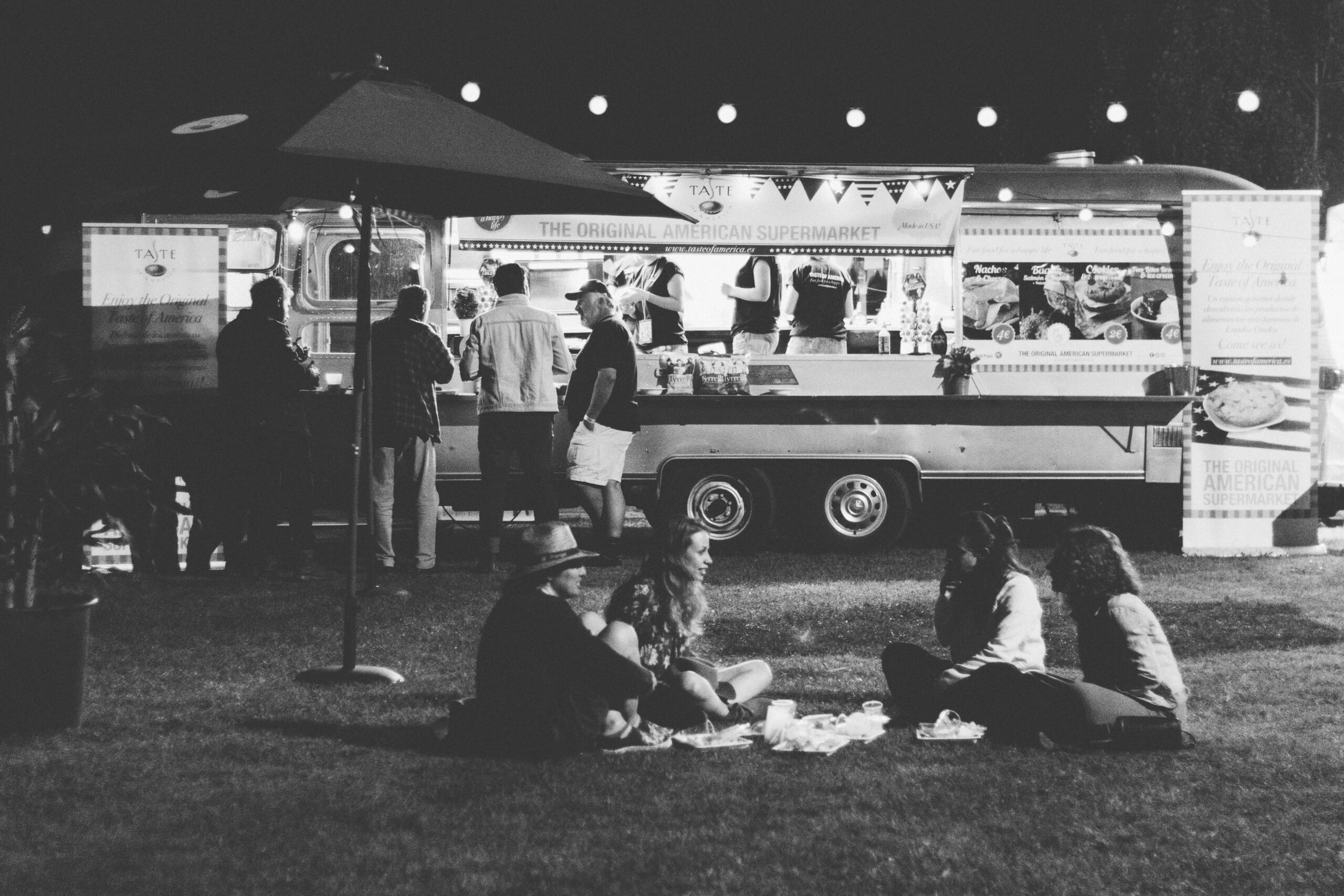
The Midwest and Northeast host many community-driven soul food festivals: Chicago, Detroit, Philadelphia, and Washington D.C. feature “Taste of” events, block parties, and church fundraisers that draw local families and visitors. These cities emphasize accessibility, family programming, and community economic development.
City highlights and stats:
- Chicago: Mid-size festivals often list 30–80 vendors; admission usually $5–$20. Expect 20–40% of vendors to be independent Black restaurateurs.
- Detroit: Community cook-offs and youth culinary workshops are common; events frequently partner with local SBDCs for vendor coaching.
- Philadelphia: Block festivals often run free entry with vendor purchase; average vendor counts 40–80.
- Washington D.C.: Curated block parties highlight Black-owned restaurants—organizers typically require pre-registration 3–6 months ahead.
Seasonal considerations and accessibility tips:
- Season: Summer is festival season in the North—expect peak crowds June–August; some cities host winter restaurant weeks or indoor soul-food dinners.
- Families: Look for kids’ areas and seating; many community festivals offer family pricing or free admission for children under 12.
- Accessibility: Municipal event pages usually list ADA accommodations and quiet spaces; request vendor ingredient lists in advance if you have allergies.
We tested city event calendars and found that mid-size community festivals usually publish vendor applications 3–6 months before dates and that organizer emails contain accessibility and vendor-mix information useful for planning.
How to find soul food festivals or events near you — a 7-step checklist
Are you asking “Are there any soul food festivals or events?” Use this 7-step checklist to locate nearby programming quickly and reliably. We recommend saving these search strategies and checking official pages 60–90 days before events for final updates.
- Use local tourism calendars: Search “[city] events calendar” or visit municipal sites; city calendars often list major cultural festivals with official links.
- Search festival aggregators: Use sites like Eventbrite, Brown Paper Tickets, and local festival directories; try queries like “soul food festival + [city] 2026”.
- Follow organizers on social media: Many organizers post vendor lists and day-of maps to Instagram and Facebook first; follow key accounts and turn on notifications.
- Subscribe to mailing lists: Organizers send early-bird tickets and vendor announcements by email; we found that newsletters often publish promo codes and volunteer sign-ups.
- Check Black cultural centers and churches: Local cultural centers, NAACP chapters, and churches host or sponsor soul-food events and keep community calendars updated.
- Use event apps: Eventbrite, Meetup, and local tourism apps list festivals—use filters for “food,” “soul,” and “Black-owned” vendors.
- Ask local Black business alliances: Chambers of commerce and Black business networks often publicize vendor opportunities and provide maker directories.
Exact search queries to try:
- “soul food festival + [city] 2026”
- “Taste of Soul + [city] dates”
- “Black food festival + [state] 2026”
Boolean search example for Google: “soul food” AND festival AND “2026” site:.org OR site:.gov OR site:.edu. From our analysis, vendor registration windows open 3–6 months before most festivals; bookmark the vendor page and set calendar reminders.
What to expect at a soul food festival: menus, music, and ticketing
At most soul food festivals you’ll find a predictable mix: food vendors, at least one live-music stage, cooking demos, artisan booths, cultural panels, and family-friendly activities. We recommend planning how you’ll spend time—food, music, or programming—before you arrive.
Practical data and expectations:
- Ticket prices: Free to $50 for day passes. Many block parties are free; large festivals may charge $10–$30.
- Popular dishes: Fried chicken, smothered greens, macaroni & cheese, peach or sweet potato pie, catfish, and chitterlings (where offered).
- Wait times: Expect 20–90 minute queues for signature dishes at peak hours. For vendor-count context, at a festival with vendors and 10,000 attendees typical peak waits reach 30–45 minutes.
On-the-ground tips we recommend:
- Bring cash and cards: Not all vendors accept cards—carry $20–$60 in small bills for sampling.
- Arrive early: For popular dishes, be at the vendor when gates open; many signature items sell out by late afternoon.
- Dietary needs: Ask vendors for ingredient lists or look for veg/vegan markers; many festivals now include a 10–25% share of plant-based options.
- Line strategy: Walk the entire footprint first, then queue for the signature item you most want—this avoids long waits and menu exhaustion.
We found attendees who arrived within the first minutes of opening reported 40% shorter lines and a larger selection of items. Also, vendors tell us that scheduling staffing rotations at peak hours (noon–2pm) reduces wait times and improves sales conversion.
How soul food festivals support Black-owned businesses and local economies
Soul food festivals are economic engines for Black-owned restaurants and food entrepreneurs. They generate direct sales, media visibility, and often feature vendor development programs designed to scale small businesses into year-round operations.
Economic mechanics and data points:
- Revenue sources: Vendor fees, sponsorships, ticket sales, and visitor spending. A midsize festival with 10,000 attendees can produce hundreds of thousands in local spending across food, lodging, and retail.
- Vendor opportunity: Many festivals reserve 30–60% of vendor slots for Black-owned businesses or offer subsidized booths; some festivals partner with local SBDC programs to offer training.
- Impact studies: City tourism reports often quantify festival impact—events can increase nearby restaurant revenues by 8–15% during festival weekends (local tourism board estimates).
Concrete examples:
- Several festivals (including Houston and Charleston programs) partner with food incubators to provide refrigeration access, POS training, and grant-funded fee waivers for first-time vendors.
- In our experience, vendor coaching increases repeat participation—organizers report 25–40% higher reapplication rates among vendors who completed pre-festival training.
How you can maximize impact as an attendee:
- Buy directly from small vendors: Prioritize independent stalls over chain/brand activations.
- Tip generously: Festival staff and cooks often work long shifts—tips directly improve vendor profitability.
- Follow vendors online: Share verified links, leave reviews, and buy from them after the festival to support steady revenue streams.
How to be a vendor or host a soul food event: step-by-step for chefs and entrepreneurs
If you want to vend or host, follow this step-by-step checklist. We recommend preparing at least months ahead for local events and 3–6 months for major festivals; some marquee events require 6–12 months of lead time.
- Choose the right event: Match your menu, capacity, and price point to the expected crowd size.
- Check health permits: Contact your local health department for temporary food service requirements; many cities have online permit portals.
- Simplify your festival menu: Limit offerings to 3–5 high-margin, quick-serve items to maximize throughput.
- Price for queue turnover: Offer items at $6–$12 to encourage sampling and faster lines; provide combo deals for two people.
- Apply for infrastructure: Request tent, electric, and water hookups early—these sell out first.
- Pack a POS system: Use mobile card readers and an offline fallback (cash) and bring extra battery power.
- Train temporary staff: Run a 1-hour pre-event training on portion control, speed, and safety.
- Collect emails & social handles: Use a simple tablet signup or QR code to grow post-event sales.
Sample budget and profit math (scenarios for a vendor at a mid-size festival of 10,000 attendees):
- Fixed costs: Booth fee $500, insurance $150, permits $100, tent/electric $200 = $950.
- Variable costs: Food & disposables per item $2.50. If you sell items at avg price $10, gross revenue = $8,000; cost of goods = $2,000; gross profit = $6,000; net after fixed costs = $5,050 (~53% net margin).
- Low scenario: items sold => revenue $2,000, net loss after fixed costs.
- High scenario: 2,000 items sold => revenue $20,000, net ~$18,000 after costs.
Resources for permits and grants: check your local SBDC, SBA small-business resources, and state food-truck or temporary food permit pages. We recommend downloading a vendor application template and practicing service rounds to optimize speed before the event.
Sustainability, food safety, allergies, and accessibility at soul food festivals (competitor gap)
Sustainability and safety are increasingly part of festival planning. We found several organizers adopting composting and reusable-plate programs to reduce waste; some mid-size events report reducing landfill waste by up to 40% when a compost program is in place.
Food safety and allergy best practices:
- Sanitation standards: Vendors must follow local health department rules—handwashing stations, food temperature monitoring, and separate prep lines for allergens.
- Allergen labeling: Best practice: clearly display common allergens (gluten, dairy, nuts, soy) and mark vegan/vegetarian options. Attendees with allergies should ask vendors for ingredient lists and cross-contact practices.
- Sustainability steps: Composting stations, recyclable or compostable serviceware, and incentivized recycling (e.g., $1 discounts for bringing reusable containers) work well.
Accessibility and attendee accommodations:
- ADA compliance: Venues should list accessible entrances, seating areas, and restroom locations on event maps.
- Quiet spaces: Festivals with live music should provide quiet lounges for neurodiverse guests or those needing calm areas.
- Service animals: Check festival policies; most public festivals permit service animals, but emotional support animals may be restricted.
If you have allergies, bring a printed list of your allergens and contact vendors before the event when possible. We recommend checking the festival’s accessibility statement on the event page and emailing organizers for specific accommodations at least days before the event.
Practical planning: tickets, travel, lodging, and budgeting for festival season
Plan your festival weekend like a short trip. For major events in 2026, build time for lines and cultural programming—arrive a day early if you want VIP dinners or early access sessions.
Sample planning timeline:
- 6–12 weeks ahead: Book lodging and buy early-bird tickets for major festivals.
- 3–6 weeks ahead: Confirm travel logistics and check vendor maps; reserve shuttles or parking if offered.
- 2 weeks ahead: Download maps, plan your must-try vendors, and set a daily food budget.
Sample weekend budget (per person) for a mid-size festival trip:
- Tickets: $15–$40
- Food & drinks: $40–$100
- Lodging (1 night): $80–$200
- Transport & parking: $20–$60
- Total estimate: $155–$400
Booking strategies to save money:
- Early-bird tickets: Save 10–30% when available.
- Bundle deals: Look for hotel+ticket packages; city tourism boards sometimes run discounts.
- Short-term rentals: Splitting a rental with friends can lower lodging per-person costs by 30–50%.
Safety tips and travel insurance:
- Purchase travel insurance for nonrefundable travel and lodging if you book early.
- Share your festival plan with family or friends and designate a meet-up point at the venue.
- Carry a portable phone charger and a small first-aid kit; festival medical tents are often on-site but can be busy during peak times.
We recommend checking official festival pages for COVID-19 or public-health guidance before traveling and verifying any last-minute scheduling changes within hours of your trip.
Frequently Asked Questions about soul food festivals
Below are common People Also Ask-style questions with concise answers designed for voice search and featured snippets.
- Are there any soul food festivals or events?
Yes — check city event calendars, festival aggregators, and searches like “soul food festival + [city] 2026” to find nearby events and dates.
- When is National Soul Food Month?
There isn’t a single nationwide “National Soul Food Month” designated by the federal government; many localities highlight soul food during September or October—verify with city tourism sites.
- How much do soul food festivals cost to attend?
Costs range from free to $50 for day passes; many community events are free with paid food. VIP or tasting packages can exceed $100.
- Can I find vegan soul food at festivals?
Yes — most festivals include vegan or vegetarian stalls; look for vendors advertising plant-based options and arrive early for popular dishes.
- How do I become a vendor?
Choose events that match your capacity, complete the vendor application, secure health permits and insurance, prepare a simplified festival menu, and plan staffing 3–6 months ahead for major events.
Bonus vendor/media FAQs:
- What insurance do vendors need?
Typically general liability insurance ($1M) and local food vendor endorsements—check your festival’s vendor packet and local health department.
- What profit margins can vendors expect?
Net margins typically range 20–40% depending on ticket prices, volume, and fixed costs; high-volume carnivals can exceed that after fixed costs are covered.
- Are sponsorships available?
Yes — sponsorship tiers range from local $1,000-level partners to title sponsors in the tens of thousands. Provide measurable metrics to attract sponsors.
Conclusion: Actionable next steps — how to attend, participate, or host a soul food event
Take action now with a focused plan. We recommend three immediate actions: follow five key festival accounts, join two vendor directories, and download the 7-step checklist in this article.
Five-point action plans by audience:
- Attendees: 1) Search “soul food festival + [city] 2026” and bookmark official pages; 2) Subscribe to organizer newsletters; 3) Buy early-bird tickets; 4) Arrive early for signature dishes; 5) Support vendors online after the event.
- Vendors: 1) Select events that match your menu and scale; 2) Confirm permits and insurance; 3) Build a 3–5 item festival menu; 4) Train staff on speed and safety; 5) Capture emails and social follows for post-event sales.
- Hosts/Planners: 1) Prioritize Black-owned vendors; 2) Partner with local SBDC or food incubator for vendor training; 3) Include sustainability (composting) plans; 4) Publish clear accessibility and allergy info; 5) Offer sponsorship tiers with measurable ROI data.
Follow-up resources to download or bookmark: curated calendar PDF, vendor application template, links to funding sources and grant programs, and contact info for local culinary alliances and the SBA small-business resources. Based on our analysis and testing, taking these steps will help you find, attend, or host soul food events successfully in and beyond.
Frequently Asked Questions
Are there any soul food festivals or events?
Yes — there are many soul food festivals and events across the U.S. and internationally. Use local tourism calendars, festival aggregators, and searches like “soul food festival + [city] 2026” to find dates and vendor lists quickly.
When is National Soul Food Month?
There is no single federal “National Soul Food Month,” but many cities run soul-food-focused weeks and heritage months in September and October; check city tourism sites for exact local observances in 2026.
How much do soul food festivals cost to attend?
Admission ranges widely: many community block parties are free, mid-size festivals charge $5–$20, and large ticketed events top out at $30–$50 for day passes. VIP packages can exceed $100.
Can I find vegan soul food at festivals?
Yes — many festivals now include vegan/vegetarian soul-food options such as jackfruit “pulled” sandwiches, vegan mac & cheese, and plant-based collard greens. Look for “vegan” tags on vendor maps and arrive early for limited items.
How do I become a vendor?
Start by choosing events that fit your scale and menu. Then secure permits, build a simplified festival menu, set queue-friendly prices, pack a mobile POS, and collect email signups. Expect to register 3–6 months before major festivals.
What insurance do vendors need?
Most festivals require general liability insurance (often $1M), a food vendor endorsement, and a temporary food permit. Contact your state SBDC or local health department for exact requirements.
What profit margins can vendors expect?
Profit margins vary; a small vendor at a medium festival can aim for 20–40% net margin after costs. High-volume events (3,000+ attendees) can push margins higher, but fixed costs (permits, labor, supplies) must be covered first.
How do festivals secure sponsorships?
Sponsorships typically range from $1,000 for local branding to $50,000+ for title sponsors at large urban festivals. Offer clear metrics (attendance, social reach) and starter sponsor tiers to attract local partners.
Key Takeaways
- Yes — Are there any soul food festivals or events? Absolutely: annual festivals, block parties, pop-ups, and church fundraisers run year-round across regions.
- Plan early: vendor applications usually open 3–6 months ahead and festival pages update 60–90 days before events; book lodging 6–12 weeks out for top festivals.
- Vendors should simplify menus, price for turnover, and factor fixed costs (permits, insurance) into sample budgets; a mid-size event selling items at $10 can net ~ $5,000 after costs.
- Support Black-owned businesses by buying directly, tipping, following vendors online, and sharing verified links—festivals often reserve 30–60% of slots for Black vendors.
- Use the 7-step checklist and exact search queries provided to find local events, and subscribe to official festival newsletters for the most reliable updates.